
Introduction
Diabetic foot screening is a simple but important check for people with diabetes. It helps find early signs of foot problems before they become serious. Because diabetes can reduce feeling in your feet, you might not notice cuts or sores. However, regular foot checks can prevent serious issues. In fact, early screening is key to preventing diabetic foot complications. This blog explains why regular diabetic foot screening matters and how you can care for your feet at home.
What is Diabetic Foot Screening?
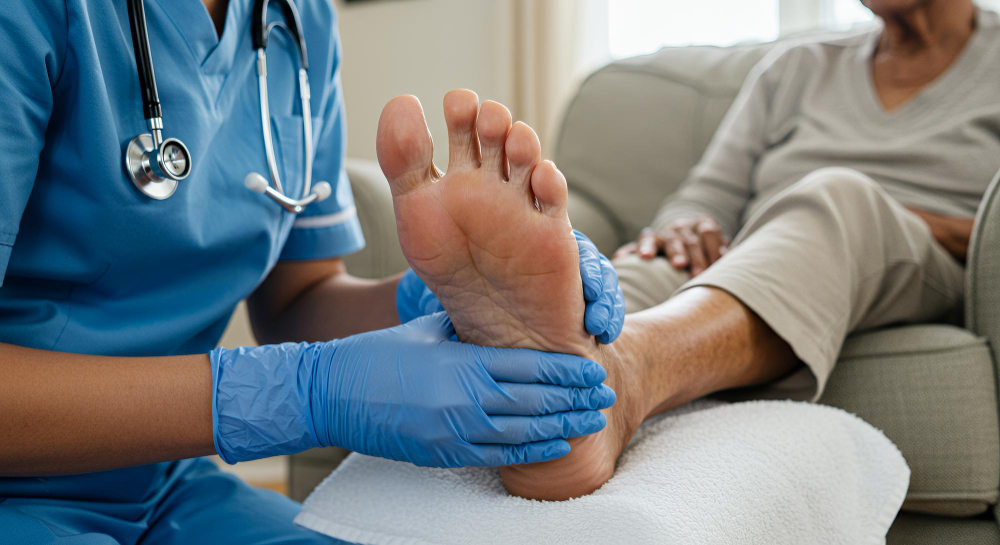
Diabetic foot screening is a routine check of your feet by a doctor or nurse. During this check, they look for changes in your skin, nails, and feeling in your feet. For example, they may use a small tool to test if you can feel light touches. This helps find nerve damage early. In addition, they check for poor blood flow and signs of infection. Foot screening for diabetes is quick and painless. It is an important part of diabetic foot care.
Why Regular Foot Checks Matter for People with Diabetes
Regular foot checks are very important for people with diabetes. Because high blood sugar can damage nerves and blood vessels, your feet may not heal well. As a result, small cuts or blisters can turn into serious wounds. Moreover, you may not feel pain or notice injuries. This is why regular diabetic foot screening helps catch problems early. Early treatment can prevent infections, ulcers, and even amputation. For those living in busy cities, finding diabetic foot screening in your area can make a big difference in your health.
Common Symptoms and Warning Signs
It is important to know the warning signs of diabetic foot problems. If you notice any of these symptoms, contact your doctor right away:
Because these signs can lead to serious problems, early action is best.
How Diabetic Foot Screening is Done
During a diabetic foot check, your healthcare provider will:
Sometimes, they may use special tests to check blood flow. Usually, the screening takes only a few minutes. However, it can help prevent diabetic foot complications for years to come.
Prevention Tips and Home Care
Good foot care at home is just as important as regular screenings. Here are some simple tips to help you prevent problems:
By following these steps, you can lower your risk of foot problems. In addition, regular diabetic foot care helps you stay healthy and active.
When to See a Specialist
Sometimes, home care is not enough. If you notice any wounds, swelling, or changes in your feet, see a specialist right away. For example, if a sore does not heal or you see signs of infection, do not wait. Early treatment can prevent serious diabetic foot complications. Your doctor may refer you to a foot specialist, called a podiatrist, for expert care. Remember, quick action can save your feet and your health.
Conclusion
Regular diabetic foot screening is a simple way to protect your health. Because early checks can prevent serious problems, make foot care a part of your routine. If you have diabetes, talk to your doctor about regular screenings. For personalized diabetic foot care advice, consult Dr. Nishant Verma.